

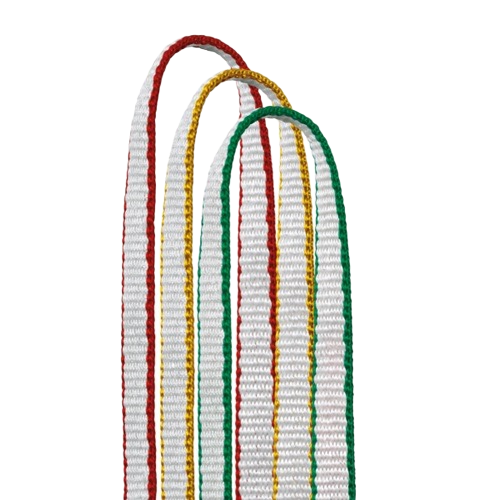
In the climbing world, Dyneema is a name that resonates strongly — but it also carries a fair share of misconceptions and myths. Some have suggested, for example, that its thinness means lower strength, or that it cannot be used with knots. In this post, we want to give you solid information about Dyneema so you can fully understand this innovative material we use every day in climbing.
Dyneema is an ultra-high-molecular-weight polyethylene (UHMWPE) fiber developed to deliver exceptional strength. It is up to 15 times stronger than steel and is considered one of the strongest materials relative to its weight.
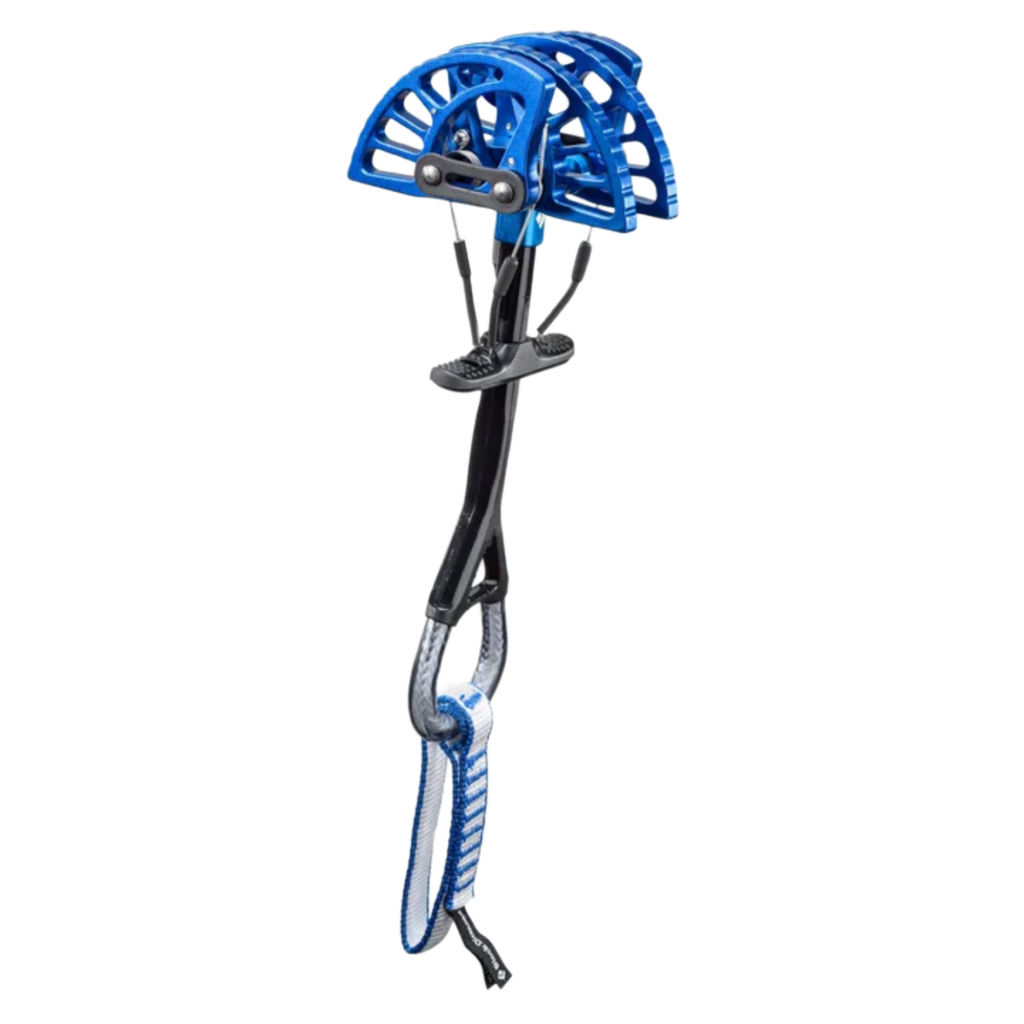
In climbing, Dyneema is primarily used in quickdraws, alpine draws and runners, sewn slings for building anchors, lifelines, and more recently in the stem of Black Diamond Ultralight Camalots — where they replaced the steel cable stem with Dyneema, reducing overall weight by 30%.
Ventajas del Dyneema

- Tiene alta resistencia y a su vez es ligero.
- Absorbe poca agua lo que lo hace un material perfecto para condiciones invernales o ambientes con alta humedad
- Compared to cord or nylon, it takes up much less volume
- Despite being thinner, it offers high resistance to abrasion
However, Dyneema is a static material that requires certain precautions when used with knots. Using it correctly will keep you safe when Dyneema is part of your gear.
Tests were conducted with both new and used Dyneema — some up to 7 years old — using Mammut sewn slings. The results showed that new slings held up to 27 kN of force, while older ones reached 15.8 kN. These figures demonstrate Dyneema's durability and strength even after years of use.
In another round of testing, the same experiment was run but this time a knot was added to the Dyneema. The results were revealing: used slings broke at 8.4 kN, while new ones held at 9.7 kN. These findings suggest that while Dyneema may lose some strength over time and use, it remains a reliable material even when knots are used.

If you want to watch the full video on the Dyneema tests, you can access it here: https://www.youtube.com/watch?v=NwbMfh4FqT4&t=316s
In summary, Dyneema is a material that revolutionized the climbing industry, bringing lightness and strength to gear. However, we need to take certain precautions when using it and clearly understand the pros and cons of each material depending on how we plan to use it.
 English
  Español